


Introduction
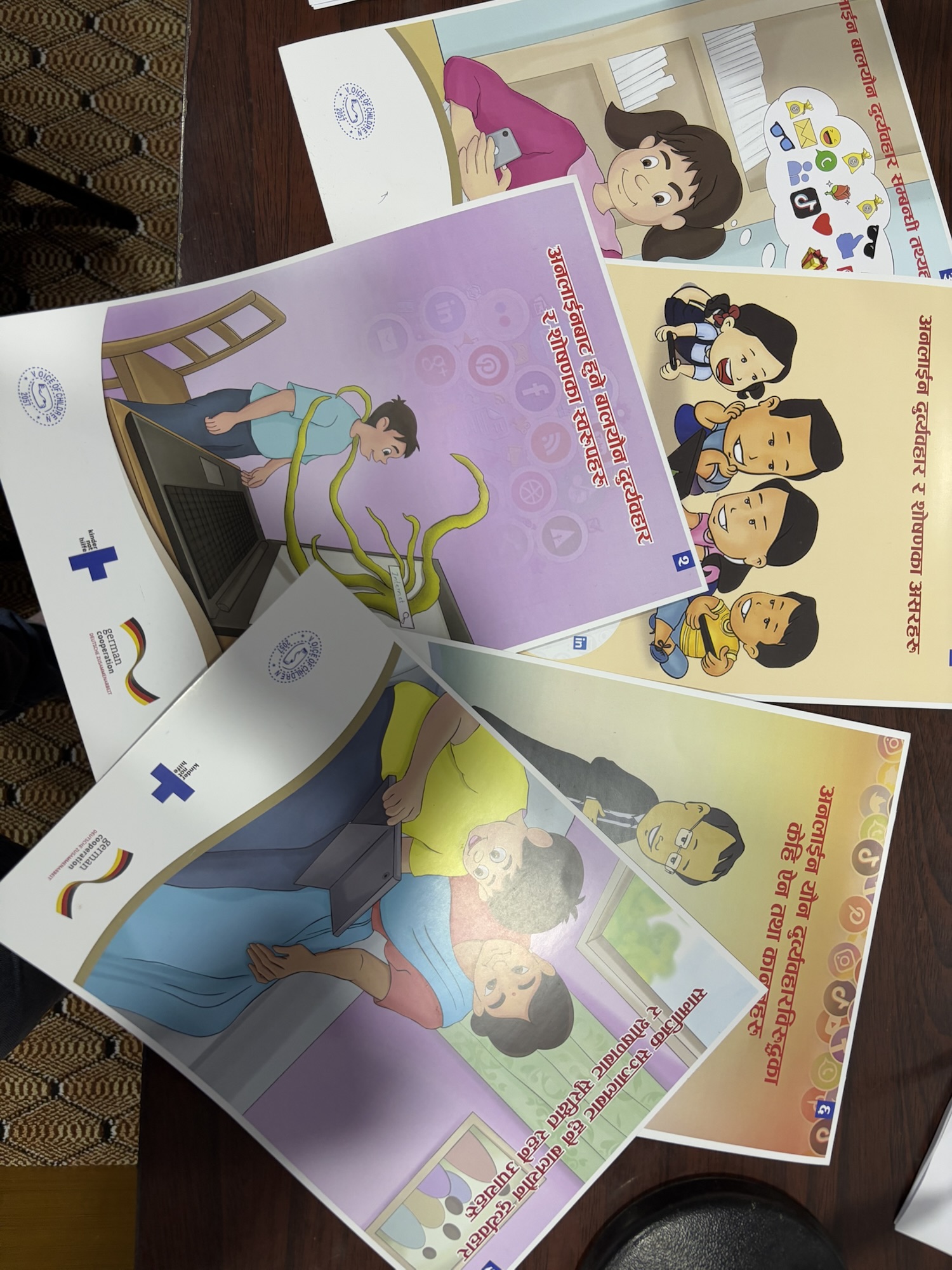
The internet has revolutionized the way children in Nepal learn, connect, and explore the world. However, this digital transformation has also exposed them to new and alarming risks, particularly online child sexual abuse (OCSA). At buildsupnepal, we have long been committed to addressing these challenges through cybersecurity awareness, education, and advocacy with our partner VOC. In this post, we explore the growing threat of OCSA in Nepal, its impact, and how we can work together to create a safer digital environment for children.
The Growing Threat of Online Child Sexual Abuse
A disturbing trend
Recent studies paint a troubling picture of the rise in online child exploitation in Nepal. A 2023 study by Voice of Children and KNH Germany found that:
- 38.6% of girls and 32.3% of boys received sexually explicit calls or messages online.
- 34.1% of girls and 29.2% of boys were exposed to inappropriate images.
- 13.7% of girls and 15.4% of boys encountered explicit videos or images (Reference: Gurukul Khabar, 2026, Asianews, 2026 [[]sphqkztn]).
These numbers are not just statistics—they represent real children whose safety and well-being are at risk.
The scale of the problem
The Nepal Police Cyber Bureau reported a 260.8% increase in cyber violence cases involving children. In the fiscal year 2023-24, 635 cases were recorded, up from 176 cases the previous year. By 2025, this number had risen to 706 cases, meaning nearly two children fall victim to cyber violence every day in Nepal (Reference: Kathmandu Post, 2025[[]vnizxodv]).
In 2021/22 alone, 732 children (421 girls and 351 boys) were victims of cybercrimes, including grooming, sextortion, hacking, and impersonation (Reference: Gurukul Khabar, 2026 []).



A lack of awareness
A critical gap in addressing this issue is the lack of awareness among children and parents:
- 97% of children aged 13–18 have internet access.
- 99% of parents have internet access, yet most lack knowledge about online risks, legal protections, and digital literacy.
- 75% of children aged 5–12 were unaware of how to protect themselves from online abuse (Reference: Gurukul Khabar, 2026 []).
This knowledge gap leaves children vulnerable to exploitation, as they often do not recognize the dangers or know how to respond.
The role of digital platforms in exploitation
Social Media as a tool for abuse
Social media platforms like Facebook, YouTube, and TikTok have become primary channels for online exploitation. According to studies:
- 81.5% of teens reported experiencing online abuse on Facebook.
- 70.2% encountered abuse on YouTube.
- 57.1% faced harassment on TikTok (Reference: Kathmandu Post, 2024 [[]dloymoic]).
Perpetrators use these platforms to groom, extort, or harass children, often under the guise of anonymity.
Common tactics of exploitation
- Grooming: Building trust with a child to manipulate them into sharing explicit content.
- Sextortion: Threatening to share private images unless the child complies with demands.
- Impersonation: Creating fake profiles to deceive children.
- Distribution of Explicit Content: Sharing pornographic materials to desensitize or coerce children.
Many children do not report abuse due to fear or shame. A study found that 25% of victims took no action, often resorting to blocking the perpetrator or leaving social media (Reference: Asianews, 2026 [[]sphqkztn]).
The policy gap: Why Nepal’s laws are failing
Fragmented Laws
Nepal has laws like the Electronic Transaction Act (2008), Children’s Act (2018), and Criminal Code (2017), but these are fragmented and poorly enforced. Key issues include:
- Lack of specific provisions for online child sexual abuse.
- Limited resources and training for law enforcement.
- Low digital literacy among judges and police officers.
- Stigma and fear preventing victims from reporting abuse (Reference: Kathmandu Post, 2024 [[]tsfupvvs]).
Raju Ghimire, Deputy Director of Voice of Children, noted:
“Nepal’s cyberviolence policies lack a dedicated focus on OCSA prevention. Existing laws are not enforced effectively due to limited resources and awareness.” (Reference: Kathmandu Post, 2024 [[]tsfupvvs])
The Human cost: Impact on Children and Families
Psychological and emotional toll
Children who experience online abuse often suffer from:
- Trauma and PTSD from exposure to explicit content.
- Low self-esteem and shame, leading to social withdrawal.
- Academic decline due to stress and distraction.
Families also face financial strain, social stigma, and breakdowns in trust, further isolating the child (Reference: South Asia Monitor, 2021 [[]bctukgrp]).



buildsupnepal’s role in combating online abuse
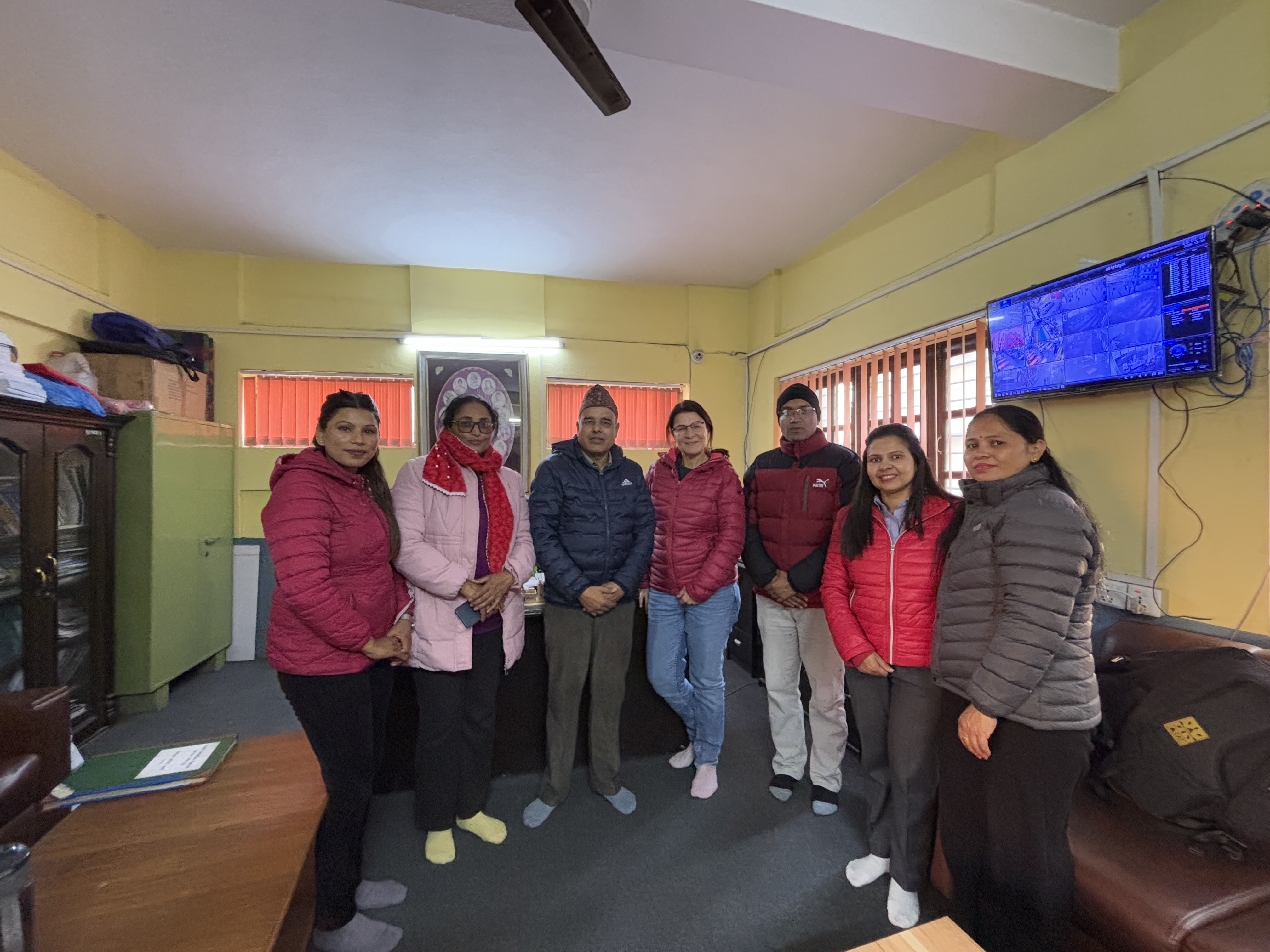
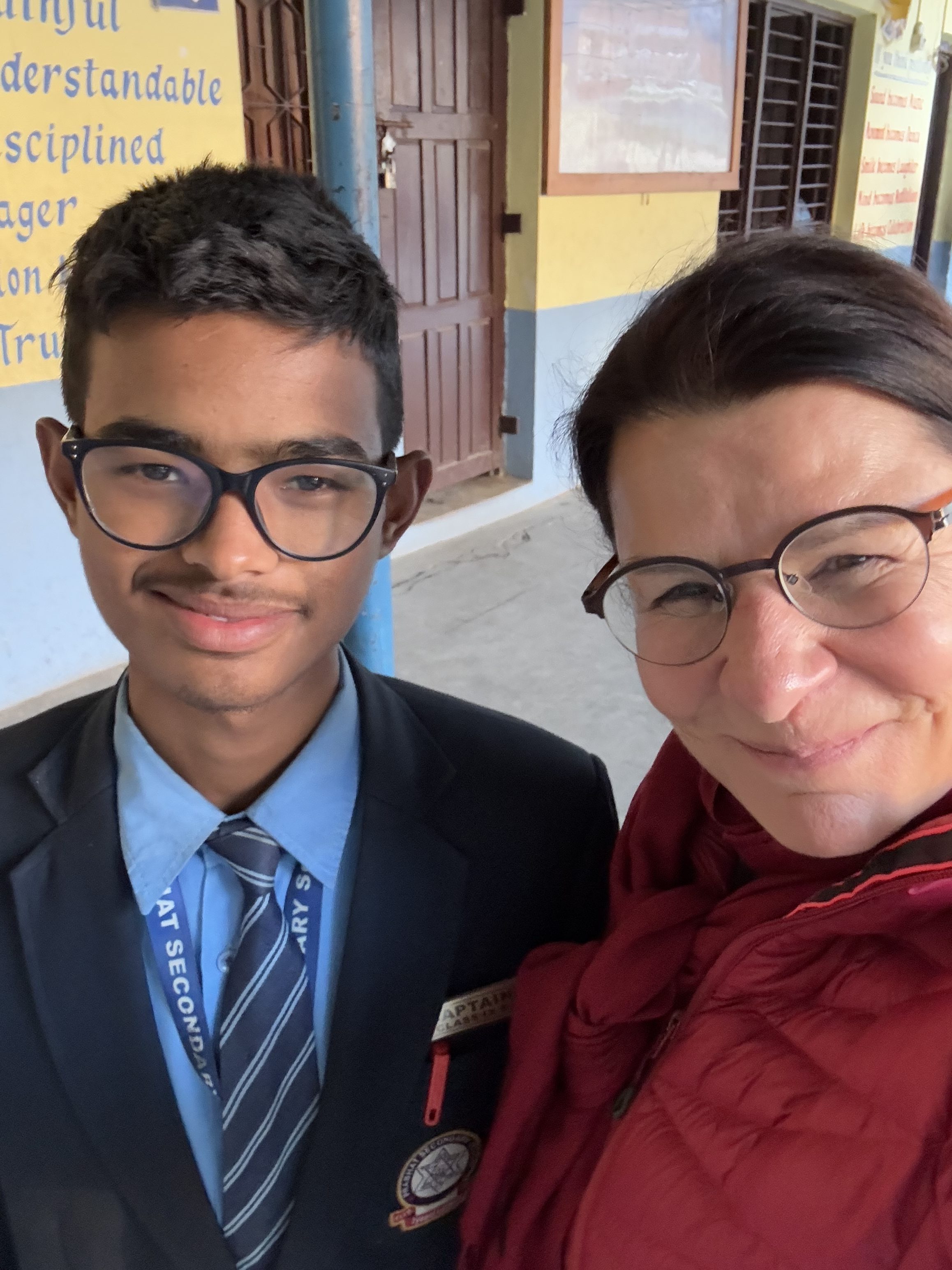
At buildsupnepal, we are committed to protecting Nepal’s children from online exploitation through collaborating with VOC on:
1. Digital Literacy Programs
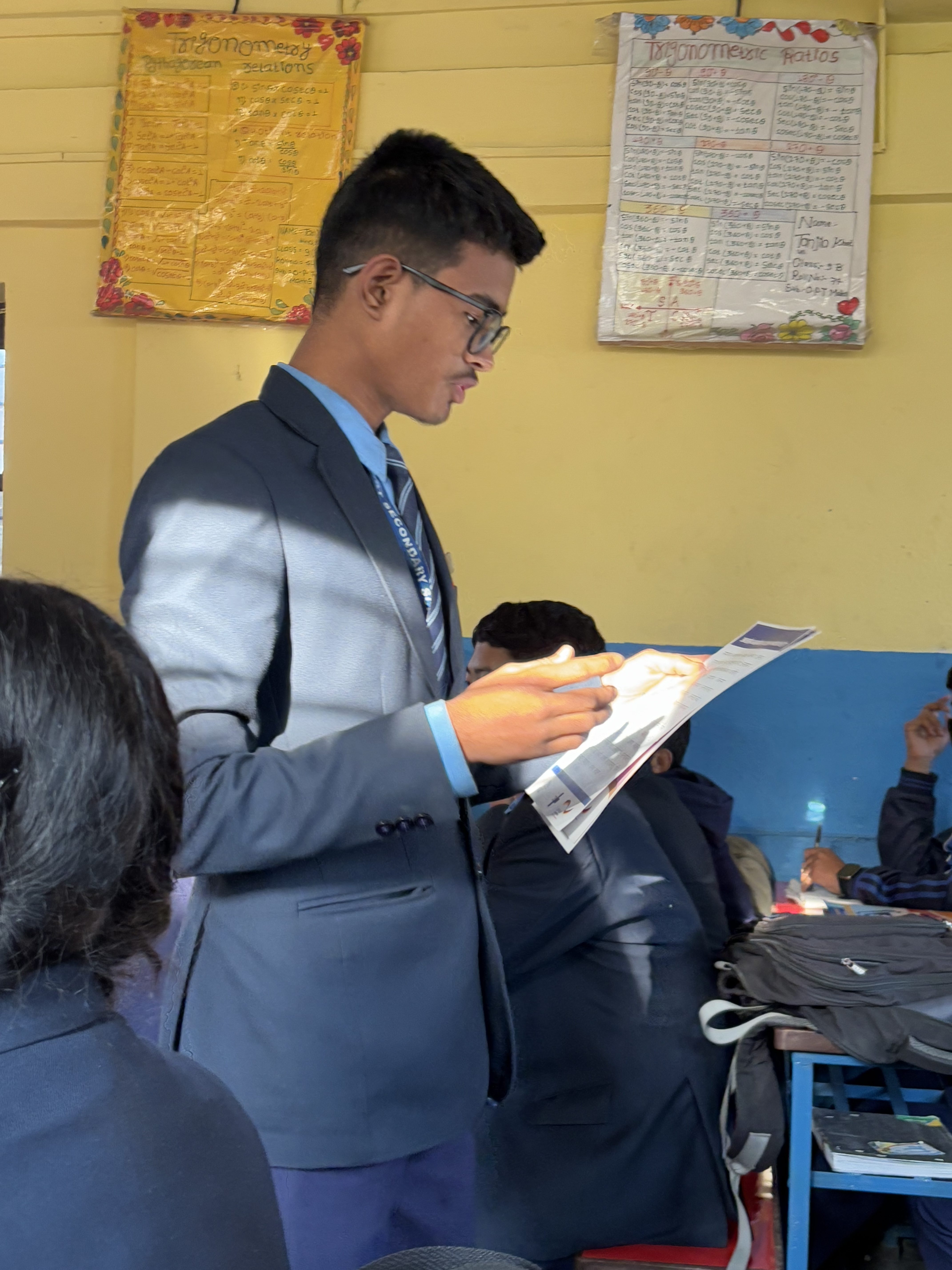
- Workshops for children, parents, and educators on safe internet practices.
- Training on recognizing and reporting abuse.
2. Advocacy for Stronger Laws
- Pushing for reforms in cybercrime laws to address OCSA.
- Advocating for better training and resources for law enforcement.
3. Support for Victims
- Providing counseling, legal aid, and rehabilitation to victims.
- Helping children recover from trauma and reintegrate into society.
4. Community Engagement
- Raise funds to support above mentioned activities.
- Mobilizing communities to take collective action against online exploitation.
Conclusion: A collective responsibility
The rise of online child sexual abuse in Nepal is a pressing issue that demands urgent action. At buildsupnepal, we believe that every child deserves a safe digital future. We urge you to join us in this fight, whether by educating yourself and others, supporting our programs, or advocating for change. Together, we can protect Nepal’s children and build a safer, more secure digital world.
Join the movement. Protect a child. Save a future.
References:
- Gurukul Khabar, 2026: Digital Platform Abuse in Nepal
- Kathmandu Post, 2026: Social Media and Child Exploitation
- Kathmandu Post, 2025: Cyber Abuse Cases in Nepal
- Kathmandu Post, 2024: Children at High Risk of Online Sexual Abuse
- Asianews, 2026: Online Abuse in Nepal
- South Asia Monitor, 2021: Children in Nepal and Internet Misuse